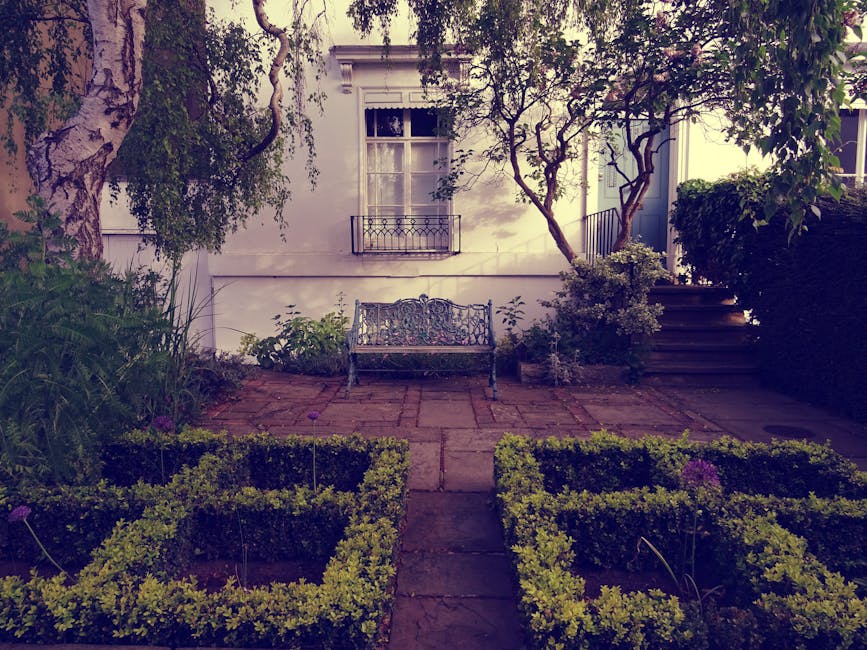
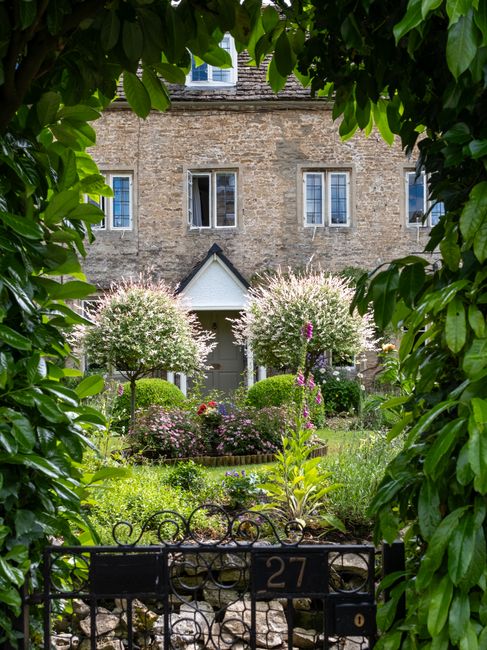
Gardeners near Keston Village top tips for small yards
Small yards can be brilliant little spaces, but they can also feel awkward fast. One minute you're imagining a neat pocket garden, the next you're staring at a patch that seems too tight for a lawn, too shady for flowers, and too exposed for anything delicate. That's exactly where Gardeners near Keston Village top tips for small yards come in: practical ideas that help you make a compact garden look bigger, work harder, and stay easier to manage. If you live locally, you already know the weather can be a bit changeable and the light can shift in odd ways from fence to fence. So the trick is not to cram in more stuff. It's to choose better.
In this guide, you'll find space-smart planting ideas, layout tricks, low-maintenance choices, and a few small-yard realities people often miss at first glance. Truth be told, that's usually where the best results come from.
Table of Contents
- Why this matters for small yards
- How the approach works
- Key benefits and practical advantages
- Who this is for and when it makes sense
- Step-by-step guidance
- Expert tips for better results
- Common mistakes to avoid
- Tools, resources and recommendations
- Law, compliance, standards, or best practice
- Options, methods, or comparison table
- Case study or real-world example
- Practical checklist
- Conclusion
- Frequently asked questions
Why Gardeners near Keston Village top tips for small yards Matters
A small yard is not a limitation by default. It's a design problem, which is often better news. With the right plan, a compact outdoor space can feel calmer, greener, and more useful than a bigger garden that has been left to drift. The best local gardeners know this well: small spaces need editing, not stuffing.
For homes around Keston Village, compact yards often face a few familiar issues. Boundaries can make the area feel boxy. Shaded corners can become neglected. Paving may take over more than it should. And if you're trying to juggle privacy, storage, pets, children, or simply a spot to sit with a mug of tea, every square metre starts to matter. That's why the best advice is rarely "add more plants." It's more like: use layers, choose scale carefully, and let every feature earn its place.
Small yards also reward consistency. A tidy edge, a few well-chosen containers, and one strong focal point can do more than a full makeover with no follow-up. Let's face it, most people want a garden that looks good on a Tuesday, not only after a full weekend overhaul.
How Gardeners near Keston Village top tips for small yards Works
The core idea is simple: small yards need proportion, structure, and restraint. A good layout creates the illusion of space while making the area genuinely easier to use. In practice, this usually means thinking in zones.
Instead of treating the yard as one flat rectangle, divide it into a few gentle functions. A seating nook. A planting edge. A vertical display. Perhaps a path or stepping-stone line. Even if the yard is tiny, the brain reads these shifts as depth and movement, which makes the space feel larger.
Planting works in a similar way. Tall plants at the back, medium plants in the middle, low planting at the front. Repetition matters too. A single plant repeated in several places feels orderly and calming. Random mixtures can work in larger gardens, but in a small yard they can quickly look busy.
Maintenance matters as well. If a plant grows too fast, flops into a path, drops berries on paving, or needs constant fussing, it can dominate the space in a bad way. The better approach is to choose varieties that stay neat or can be shaped cleanly. If you want ideas for a more structured feel, you may also find inspiration in hedge trimming shapes and techniques and container gardening ideas for tight spaces.
Key Benefits and Practical Advantages
A smart small-yard plan gives you more than looks. It changes how the space feels to live with day to day.
- More usable room: A tidy layout avoids dead corners and awkward gaps.
- Better light distribution: Carefully placed planting keeps heavy shade from swallowing the whole yard.
- Lower upkeep: Compact gardens are easier to manage when the planting scheme is disciplined.
- Improved privacy: Well-placed screening can reduce overlooked views without making the space feel fenced in.
- Stronger year-round structure: Evergreens, shapes, and repeat planting keep the garden looking intentional in winter.
- Higher enjoyment: A yard that feels organised is simply more pleasant to step into.
There's also a subtle psychological benefit. Small gardens often become cluttered because people hope to "use every bit." The irony is that leaving some breathing room usually makes the space feel richer. A little negative space is not wasted space. It's what helps the plants, paving, and furniture all make sense together.
Who This Is For and When It Makes Sense
This approach suits a lot of different households. If your yard is narrow, enclosed, overlooked, heavily shaded, sloped, or simply too small for a traditional lawn, these tips are for you. It also makes sense if you want a garden that is pretty but not high-maintenance. That's a common ask, especially for busy families, professionals, and anyone who'd rather spend time enjoying the space than constantly rescuing it.
It's especially useful if you are:
- trying to make a rental or starter home feel more finished
- working with a paved or partially paved yard
- wanting family-friendly space without losing style
- thinking about pets and safe circulation
- replacing a tired patch of grass that never really thrives
- planning to add privacy without blocking all the light
If your yard is very small, the best move is usually not a big, dramatic build. It's careful improvement. Even a modest refresh can make a noticeable difference. Sometimes the biggest change is simply lifting the visual clutter and choosing fewer, better elements.
Step-by-Step Guidance
1. Measure the space honestly
Start by noting the width, depth, and any awkward corners, drains, manholes, or access points. It sounds basic, but plenty of gardens go wrong because someone eyeballed the space and hoped for the best. In small yards, a few centimetres matter more than you'd think.
2. Decide what the garden must do
Ask a simple question: what do you actually need from this yard? A seat? A play space? A bit of herb growing? Privacy? A dog-friendly surface? Once you know the job, the design gets clearer very quickly.
3. Keep the layout simple
Use one main route through the space, not several competing ones. If you need seating, make it part of the structure rather than an afterthought. A bench tucked into a corner can be far better than loose chairs scattered about.
4. Build upward, not outward
Vertical planting is one of the best small-yard tactics because it uses walls and fences without eating ground space. Climbers, trellises, wall planters, and slim shelving can add depth without crowding the floor. If you want a deeper dive, transforming tiny spaces with vertical gardens is a useful companion read.
5. Choose plants with restraint
Pick a limited palette. Two or three main plant themes are usually enough. For example: one evergreen backbone, one flowering seasonal plant, and one trailing or ground-cover layer. If you need evergreen screening, evergreen climbers for cool spaces can help you think through living privacy without bulky hedging.
6. Add containers strategically
Containers are brilliant in small yards because they create flexibility. You can move them, group them, or swap them out as the seasons change. They also make poor soil or awkward paving less of a problem. One large container is often better than three small ones. Fewer visual interruptions.
7. Finish with a clear focal point
This might be a specimen plant, a water feature, a bench, or a simple decorative screen. The point is to give the eye somewhere to rest. Without that, a small yard can feel like a pile of ideas rather than a finished garden.
Expert Tips for Better Results
Here's where local experience really helps. Small yards need decisions that are a touch more disciplined than average. These are the kinds of things that quietly separate a decent space from one that feels genuinely designed.
- Use repetition: Repeat the same pot shape, paving tone, or plant family to create calm.
- Raise planting where possible: Elevated beds and planters add depth and make maintenance less fiddly.
- Keep edges crisp: Neat borders make a yard feel cared for, even before the planting matures.
- Mix textures, not chaos: Pair glossy leaves with softer foliage or structured evergreens with looser perennials.
- Choose compact varieties: Small yards are not the place for plants that outgrow themselves by midsummer and then sulk everywhere.
- Think about seasonal views: What looks good in April might be flat by December. Evergreens and bark texture matter more than many people expect.
A quiet, useful trick is to choose plants that look good from a seated eye line. If you mostly enjoy the yard from a kitchen window or patio chair, design to that viewpoint first. It sounds obvious, but people forget it all the time.
Another small but important point: if your yard gets sharp gusts, even a tiny one, lean into sheltering planting and firm supports. A well-placed screen can save a lot of plant damage. The article on protecting gardens against fierce wind threats is helpful if that sounds familiar.
Common Mistakes to Avoid
Most small-yard problems are not caused by lack of space. They come from overload, poor proportion, or trying to solve everything at once.
- Overcrowding: Too many plants, colours, or materials make a compact yard feel tighter.
- Using oversized furniture: A chunky table set can swallow the whole area.
- Ignoring maintenance needs: High-maintenance planting can become a burden very quickly in a small space.
- Forgetting access: If you can't comfortably move around a bed or container, it will annoy you later.
- Choosing one-season interest only: A garden that looks good for six weeks and dull the rest of the year is a missed opportunity.
- Neglecting hard surfaces: In a small yard, dirty paving and tired edges are very visible. They set the tone.
One more thing people underestimate: too much contrast. A small space with lots of competing materials can feel chopped up. Usually, fewer surfaces and stronger repeats are the safer bet. Nothing fancy about that, but it works.
Tools, Resources and Recommendations
You do not need a shed full of specialist kit to improve a small yard. A few dependable tools and sensible material choices usually go further than a long shopping list.
| Need | Useful choice | Why it helps in a small yard |
|---|---|---|
| General maintenance | Hand tools, secateurs, a light rake | Easy to manoeuvre and better for precise work |
| Planting structure | Containers, trellis panels, wall supports | Adds height without eating floor space |
| Ground definition | Edging stones or timber borders | Keeps the layout tidy and readable |
| Privacy | Compact hedging or climbers | Softens views without heavy enclosure |
| Low upkeep | Mulch, weed control fabric where appropriate, drought-tolerant planting | Reduces labour and keeps the yard looking fresher for longer |
For practical, everyday inspiration, it can also help to read about budget-friendly ways to achieve a low-maintenance garden and ground cover plants that enhance UK garden design. Ground cover is especially handy in small yards because it softens hard edges and helps suppress weeds between bigger features.
If your space is more paved than planted, container-led design can be a very clean solution. It gives you control, and in a small area control is half the battle. Actually, maybe more than half.
Law, Compliance, Standards, or Best Practice
For most private domestic yards, the main concern is not formal regulation so much as good practice, neighbour awareness, and safe workmanship. Still, a few points are worth keeping in mind.
If you're adding fencing, tall screening, decking, or bigger structural elements, it's sensible to check whether the work affects boundaries, drainage, access, or nearby property. Local rules and planning considerations can vary, especially for higher structures or anything close to a boundary. If you're unsure, a cautious approach is better than an assumption.
Health and safety also matters, even in a small garden. Secure tools properly, use ladders carefully when trimming or training climbers, and be aware of trip hazards on paving and steps. Good contractors should work with clear safety habits and appropriate insurance. You can read more about the site's own approach on the insurance and safety page and the health and safety policy.
There's also a common-sense best practice around waste, pruning, and tidy worksite habits. A small yard is hard to keep elegant if every job leaves debris behind. Clean finishes matter. So does being respectful of access routes and neighbours. Simple, but important.
Options, Methods, or Comparison Table
There is no single right way to improve a small yard. The right choice depends on what you want most: greenery, privacy, easy upkeep, or a place to sit. Here's a straightforward comparison.
| Method | Best for | Strengths | Trade-offs |
|---|---|---|---|
| Container gardening | Flexibility and colour | Easy to change, easy to style, ideal for awkward surfaces | Needs watering and occasional moving |
| Vertical planting | Very tight spaces | Uses walls and fences efficiently, adds height | Needs secure fixing and a bit of planning |
| Low evergreen structure | Year-round shape | Keeps the space looking finished in winter | Can look plain if not softened with seasonal planting |
| Small hardscape with one seating point | Relaxing outdoor use | Clean, calm, practical | Requires careful proportion so it does not feel bare |
| Mixed planting with ground cover | Softness and weed control | Beautiful, useful, and often lower maintenance | Needs the right conditions and some patience to establish |
In many real-world jobs, the best answer is a blend. A small seating area, a few containers, one or two vertical features, and a reliable evergreen base can work very well together. No drama. Just balance.
Case Study or Real-World Example
Imagine a narrow rear yard near Keston Village that had a bit of everything wrong with it: pale paving, a tired strip of lawn that never settled, one large shed dominating the view, and a fence line that felt too exposed. Nothing unusual, really. The owner wanted somewhere to sit in the evening, plus a little planting, but didn't want a high-maintenance project.
The first move was to simplify. The lawn strip was replaced with a cleaner paved surface and a narrow planting border. The next move was to add height with a trellis and climbers, which softened the fence without filling the yard with bulky shrubs. A couple of medium containers added seasonal colour, while one seat was positioned where it caught the best light. Not a big sofa. Just a single, well-placed chair and a small table. Enough.
Once the clutter went, the space felt twice as generous. Not because it was bigger, but because it had room to breathe. That's the sort of change people notice on day one and then keep enjoying all year. If the yard had stayed packed, it would have been harder to maintain and honestly a bit tiring to look at.
That kind of improvement often pairs well with wider garden support too, including garden maintenance and landscaping work when the space needs a fuller reset.
Practical Checklist
Use this as a quick reality check before you start.
- Have I measured the yard properly?
- Do I know the main purpose of the space?
- Have I limited the number of materials and plant themes?
- Is there at least one vertical element to create height?
- Do I have a clear focal point?
- Will the planting suit the light levels and exposure?
- Have I left enough room to walk, sit, and water comfortably?
- Is the maintenance level realistic for me?
- Have I thought about privacy without blocking all daylight?
- Do the paving, edges, and containers all work together visually?
If you can tick most of those off, you're already ahead of the game. If not, don't worry. Small-yard design is usually best improved in stages anyway.
Conclusion
The best Gardeners near Keston Village top tips for small yards are really about making disciplined choices: fewer distractions, better structure, smarter planting, and features that do more than one job. Small yards do not need to feel cramped or compromised. With the right balance of height, repetition, seating, and easy-care planting, they can feel calm, inviting, and surprisingly generous.
Whether you're starting from scratch or refining an existing yard, begin with the basics: measure properly, simplify the layout, and choose plants and materials that suit the way you actually live. That's where the real value is. Not in having the most stuff, but in having the right stuff.
If you want help planning a space that looks good and works hard without becoming a weekend burden, it's worth speaking to a local team that understands compact gardens, practical maintenance, and the realities of UK weather.
Get a free quote today and see how much you can save.
Frequently Asked Questions
What are the best plants for a small yard in the UK?
Compact shrubs, evergreen structure, climbers, ornamental grasses, and reliable ground cover are usually strong choices. The best plants are the ones that stay in proportion and do not need constant correction.
How do gardeners make a small yard look bigger?
They use simple lines, repeating materials, vertical planting, and a limited colour palette. A focal point also helps, because the eye has somewhere to settle instead of bouncing around the whole area.
Is a lawn a bad idea in a very small garden?
Not always, but a lawn can be awkward if the space is narrow or shaded. In many small yards, paving, gravel, planting beds, or a mixed approach work better and need less upkeep.
How can I get privacy without making the yard feel dark?
Use layered screening rather than a solid wall of planting. Climbers on trellis, compact hedges, and well-placed containers can soften views while still letting light through.
What is the easiest way to keep a small yard low-maintenance?
Choose fewer plant types, use mulch where suitable, avoid thirsty high-maintenance borders, and make sure the design is easy to reach for watering and pruning. Simple usually wins.
Can I grow vegetables or herbs in a small yard?
Yes, absolutely. Herbs and compact edible crops can work very well in pots, raised planters, or sunny edges. A few productive containers are often more realistic than a full veg patch.
What should I avoid in a compact outdoor space?
Avoid oversized furniture, too many colours, and plants that outgrow their spot. Also avoid awkward layouts that block movement, because they make even a tidy yard feel cramped.
Do vertical gardens really work in small yards?
They do, provided they are fixed securely and matched to the light conditions. Vertical planting is one of the most efficient ways to add greenery without using floor space.
How often should a small yard be maintained?
Light, regular maintenance is usually best. A quick tidy every week or two often prevents the kind of build-up that makes a small space look messy faster than a larger garden.
Can a small yard still include seating?
Yes. The trick is choosing scaled seating, often a bench or compact bistro set, and placing it where it does not block the flow of the garden. Even one seat can make a yard feel finished.
When should I ask for professional help?
If the space needs structural changes, better drainage, privacy screening, or a full layout rethink, professional help is usually worthwhile. It can save time, reduce mistakes, and make the end result feel more cohesive.
Are small yards more expensive to improve?
Not necessarily. Small spaces can be more budget-friendly if the design is focused. The main costs come from hard surfaces, raised structures, and bespoke features, so careful planning matters more than size alone.
And that's the lovely thing about a small yard: once it clicks, it really clicks. Not flashy. Just right.