Keston Park Garden Clearance and Gardeners Local Checklist
If your outdoor space in Keston Park has started to feel a bit unruly, you are not alone. One windy week, one wet weekend, and suddenly the lawn is buried under leaves, borders are tangled, and the shed corner has become a graveyard for broken pots. The practical answer is usually a clear plan: a Keston Park garden clearance and gardeners local checklist that helps you sort what needs removing, what should be cut back, and what a local gardener should handle first.
This guide is designed to help you make better decisions, avoid messy surprises, and get a garden that feels calm again rather than overwhelming. It covers what garden clearance involves, how local gardeners tend to approach it, the real benefits, common mistakes, and a hands-on checklist you can actually use. No fluff. Just the useful bits.
Table of Contents
- Why Keston Park garden clearance and gardeners local checklist Matters
- How Keston Park garden clearance and gardeners local checklist Works
- Key Benefits and Practical Advantages
- Who This Is For and When It Makes Sense
- Step-by-Step Guidance
- Expert Tips for Better Results
- Common Mistakes to Avoid
- Tools, Resources and Recommendations
- Law, Compliance, Standards, or Best Practice
- Options, Methods, or Comparison Table
- Case Study or Real-World Example
- Practical Checklist
- Conclusion
- Frequently Asked Questions
Why Keston Park garden clearance and gardeners local checklist Matters
Garden clearance is not just about making things look neat for a weekend. In a place like Keston Park, gardens often have a mix of mature shrubs, boundary hedges, seasonal leaf drop, shaded corners, and awkward access. That means small jobs can snowball quickly. A pile of cuttings left too long can block paths, invite damp, and make the whole garden feel smaller than it really is.
A local checklist matters because it brings order to the process. Instead of vaguely saying "clear the garden," you can identify exactly what needs attention: overgrown beds, ivy on fences, lawn edges, dead branches, weeds in paving, rotten timber, or old garden furniture that should go. It sounds simple, but that clarity saves time and usually money too.
There is another reason this matters. Different gardens need different treatment. A compact town garden, a family garden with play areas, and a heavily planted space with hedges and shrubs do not need the same clearance approach. Local gardeners understand the sort of seasonal pressure that UK gardens face: wet leaves in autumn, compacted soil in winter, sudden weed bursts in spring, and tired borders by late summer. Truth be told, the weather does half the work of creating chaos.
If you are also planning routine upkeep after a clearance, it helps to think beyond a one-off tidy-up. Many homeowners pair clearance with ongoing support such as garden maintenance or seasonal services that keep the garden from sliding back into a scramble.
How Keston Park garden clearance and gardeners local checklist Works
The process usually starts with assessment. A gardener looks at the size of the space, the density of growth, the amount of waste involved, and any access issues. A quick front garden tidy is one thing. A back garden with heavy bramble growth, a compost heap, and a broken fence panel is another entirely. To be fair, the difference can be night and day.
From there, the work is usually broken into stages:
- Survey the garden to identify clearance priorities and any hazards.
- Remove loose waste such as bags, pots, fallen branches, and general clutter.
- Cut back overgrowth from hedges, shrubs, climbers, and self-seeded plants.
- Clear weeds and unwanted growth from beds, borders, patios, and paths.
- Shape and tidy key features like lawns, edges, and visible structure plants.
- Collect, load, and dispose of waste in line with normal best practice.
- Review the result and note anything that should be followed up later.
A good local gardener does not just "hack back" everything. That would be a bit brutal, and often unnecessary. Instead, they balance clearance with plant health, future growth, and the overall look of the garden. For example, a mature hedge may need careful trimming rather than a heavy chop, which is where experience really counts. If hedges are a main issue, it can be worth looking at hedge trimming in Keston alongside the clearance itself.
It is also common for local gardeners to advise on follow-on services. A garden rarely needs only one thing. It may need lawn recovery, border reshaping, patio cleaning, or even light landscaping after the heavy lifting is done.
Key Benefits and Practical Advantages
Garden clearance delivers more than a nicer view from the kitchen window. Done properly, it changes how the whole space works. You notice the paths better. You see the structure of the beds again. You can actually walk to the compost bin without doing a little side-step dance around nettles. Small win, but still a win.
The biggest practical advantages are usually these:
- Safety improves because trips, slippery leaves, and hidden debris are removed.
- Plants breathe better when dead material and congestion are cleared away.
- Maintenance becomes easier because the garden stops fighting back quite so hard.
- Kerb appeal rises very quickly, especially in front gardens and side returns.
- Future work becomes clearer because you can see what needs pruning, repair, or redesign.
- Pests and disease pressure can reduce when damp hiding places and decaying matter are removed.
There is also a mental benefit people sometimes underestimate. A garden that feels manageable tends to get used more. You sit outside. You open the doors more often. You notice the smell of cut grass after mowing, or the way a cleaned patio suddenly reflects light. That sounds sentimental, maybe, but it is real.
If your goal is a lower-effort outdoor space after clearance, a gardener can suggest sensible follow-up improvements such as lawn care, patio cleaning, or even a few low-maintenance planting changes inspired by ideas like budget-friendly ways to achieve a low-maintenance garden.
Who This Is For and When It Makes Sense
This kind of garden clearance is useful for a lot of people, not just those with an overgrown wilderness at the back of the house. In fact, some of the most common callers are people who simply got busy. Work got hectic, the weather turned rough, and suddenly the garden is a bit beyond a Saturday morning tidy.
It makes sense if you are:
- moving into a new property and need a fresh start
- preparing to sell or rent out a home
- recovering a garden after winter or storm damage
- dealing with weeds, ivy, or self-seeded growth
- struggling with a lawn that has been buried under debris
- wanting to reclaim a safe play space for children or pets
- planning a redesign and need a blanker canvas first
It is also sensible if your garden has mature trees or boundary growth. Branches can shed more than people expect, especially after wet or windy spells. If that is part of your situation, a local team with tree and hedge knowledge can help you decide whether clearance should be paired with tree surgery or targeted pruning.
For pet owners, the aim is usually a garden that is both attractive and workable. A clear path, safe perimeter, and fewer hidden hazards matter more than perfect symmetry. If that sounds familiar, you may find the thinking behind balancing botanical beauty and canine adventures surprisingly relevant.
Step-by-Step Guidance
Here is a practical way to tackle garden clearance without turning it into a two-day battle with wheelie bins and regret.
- Walk the garden slowly. Do not rush. Look for dead plant material, trip hazards, blocked drains, broken fixtures, and areas that trap moisture.
- Separate jobs into categories. Keep leaves, green waste, woody cuttings, reusable items, and rubbish apart.
- Start with access routes. Clear the path from the house to the garden gate first. That makes every next step easier.
- Work from top to bottom. Clear shrubs and hedges before tidying beds, then finish with the lawn and paving.
- Deal with weeds properly. Pulling the tops off is not enough for many persistent weeds. Remove roots where possible and revisit problem zones later.
- Inspect structures. Fences, decking, sheds, sleepers, and raised beds may need attention once growth is removed.
- Decide what stays. Some plants look scruffy but are still worth keeping. A local gardener should be able to tell the difference. That bit matters.
- Finish with a reset. Rake, sweep, and level the space so it feels intentional rather than simply cut back.
If you want to go one step further, combine clearance with planting decisions that reduce future mess. Ground cover can suppress weeds, and layered planting can soften boundaries without leaving the space bare. A useful starting point is ground cover plants for UK garden design, especially where you want less open soil and fewer weeds.
For gardeners who prefer a more complete reset, services such as gardening services or landscaping can help after the clearance stage, once the garden is ready for shaping.
Expert Tips for Better Results
One of the simplest expert tips is this: do not clear everything at once unless you have to. Gardens often benefit from a phased approach. A bit of selective pruning now, a border reset next, then lawns and surfaces after. It is less exhausting and gives you room to notice what the garden actually needs.
Another useful tip is to keep some structure plants, especially if the garden feels exposed. Evergreen climbers and hedging can screen fences, soften hard lines, and make a cleared garden feel finished rather than empty. If privacy is part of the brief, the ideas in hedge plants for speedy privacy gains may help shape the next stage.
Here are a few more field-tested suggestions:
- Clear on a dry day if possible. Damp waste is heavier and more awkward to move.
- Watch nesting season. Be careful around dense shrubs and hedges if birds may be active there.
- Use the clearance to spot repair needs. Hidden rot, cracked paving, and loose panels often show themselves once growth is removed.
- Keep a "maybe" pile. If you are unsure whether to remove something, set it aside for a second look later.
- Ask about aftercare. A tidy garden can slide back quickly if watering, feeding, or pruning schedules are ignored.
And a small one, but it helps: if a job feels too big, it probably is too big for one afternoon. That is not failure. That is just a realistic read on the space.
Common Mistakes to Avoid
The most common mistake is treating garden clearance like a pure disposal job. It is not. If you strip back everything without considering plant health or future use, you can create more work later. Empty beds often fill with weeds. Overcut shrubs can look harsh for months. A little judgement goes a long way.
Other mistakes crop up all the time:
- Ignoring the final waste volume. Green waste adds up fast, especially with branches and wet leaves.
- Cutting hedges at the wrong time or too severely. That can spoil shape and recovery.
- Forgetting drainage and paths. Clear the visible mess, yes, but also check where water pools.
- Leaving roots behind. Some weeds come back with embarrassing enthusiasm.
- Using the wrong tools. A blunt saw or cheap shears can make clean-up harder than it needs to be.
- Skipping safety. Gloves, eye protection, and sturdy footwear are not glamorous, but they matter.
There is also a planning mistake that is easy to miss: not deciding what the garden should become after clearance. A blank slate is only useful if you know where you are heading. If you want a calmer, more usable layout, a bit of inspiration from garden seating ideas or zen garden touches can help you think past the initial tidy-up.
Tools, Resources and Recommendations
You do not need a van full of machinery to do a good clearance job, but the right tools save time and reduce frustration. A few solid basics make a big difference.
- Gloves: for brambles, thorns, damp waste, and general grip.
- Bypass secateurs: for cleaner cuts on live stems.
- Loppers: for thicker branches that are too much for secateurs.
- Garden rake: ideal for leaves, thatch, and loose debris.
- Spade or border fork: useful for digging out roots and compacted patches.
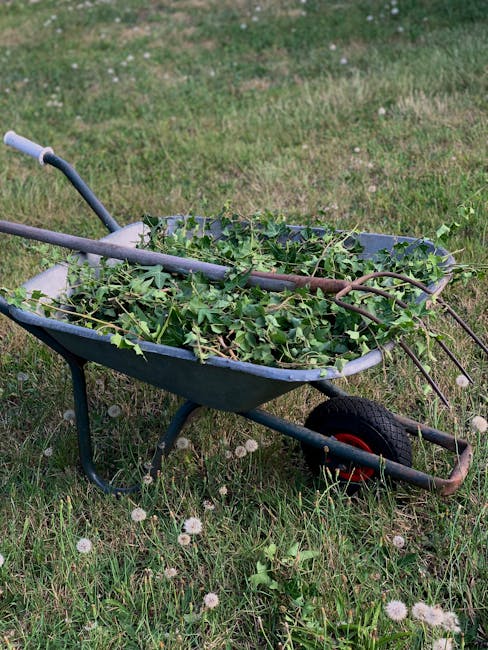
- Wheelbarrow or heavy-duty bags: helps with movement and sorting.
- Broom and stiff brush: essential for patio and path finishes.
If you are building a better long-term setup, it is worth reading about tools every gardener swears by, because good tools are one of those things people only appreciate after the third broken handle. Been there.
For low-maintenance planning, the following also help:
- weed control tips for keeping paths and beds under control
- garden waste to soil ideas for better composting habits
- ways to revive tired planting after a clearance
And if you want professional help, it is sensible to compare services that match the work you actually need rather than assuming one all-purpose visit will cover everything. Sometimes it does. Sometimes it really doesn't.
Law, Compliance, Standards, or Best Practice
For garden clearance in the UK, the main thing is to follow sensible, responsible practice rather than cutting corners. Waste should be handled properly, and any contractor should be clear about what happens to the material they remove. If green waste, timber, or mixed rubbish is being taken off-site, ask how it is managed. You do not need a lecture on regulations, just a straight answer.
It is also best practice to think carefully about safety. That includes safe lifting, guarding against sharp material, checking for hidden hazards, and being cautious around trees, unstable ground, or old structures. A sensible contractor will have their own health and safety approach and should be willing to explain it in plain English. If that reassurance matters to you, you can review the company's health and safety policy and insurance and safety information before booking.
For service expectations, good practice usually includes:
- clear scoping of the work before it starts
- careful treatment of protected or desirable planting
- transparent handling of waste and disposal arrangements
- reasonable timekeeping and communication
- respect for neighbouring properties and access routes
If you are comparing providers, the wider policy pages can also help you feel confident about the way a company operates. It is sensible to check terms and conditions, payment and security, and complaints procedure if you want a fuller picture before committing.
Options, Methods, or Comparison Table
Not every garden clearance needs the same approach. Sometimes a quick tidy is enough. Sometimes you need a proper reset. The best method depends on the state of the garden, the amount of waste, and whether you want only clearance or a longer-term improvement.
| Method | Best for | Strengths | Limitations |
|---|---|---|---|
| Light tidy and sweep | Small gardens, routine upkeep, post-storm mess | Quick, cost-effective, low disruption | Won't solve deep overgrowth or root issues |
| Targeted clearance | Overgrown beds, hedges, paths, and problem areas | Focuses effort where it matters most | May need follow-up visits or seasonal maintenance |
| Full garden clearance | Neglected gardens, move-in prep, major resets | Most dramatic transformation, easier to redesign afterwards | More labour, more waste, and more planning required |
| Clearance plus maintenance plan | Homeowners who want long-term control | Prevents the garden from sliding backwards | Needs ongoing commitment |
If the garden is partly about style as well as order, some homeowners mix clearance with design-led changes. For example, vertical planting, smart seating, or a few evergreen climbers can keep the space looking alive while staying manageable. That kind of layered approach works especially well in smaller plots.
Case Study or Real-World Example
Picture a typical Keston Park rear garden after a wet winter. The lawn has gone patchy under leaf fall, one hedge is leaning into the border, the patio has a film of green on it, and a bramble patch has quietly taken over a corner near the fence. Nothing dramatic, but enough to make the space feel ignored.
A sensible clearance plan might start with the route from the house to the patio, so the garden becomes usable straight away. Next comes the hedge and the worst of the border growth, followed by lawn tidying and a patio clean. Once the visible clutter is gone, the gardener can see that the fence is still sound, the soil needs feeding, and one bed would benefit from ground cover rather than bare earth.
The result is not just a neater garden. It becomes one that can be maintained in sensible chunks. The owner can finally see where to place seating, which area gets the best light, and what should be left for later. In practice, that is usually what people want: not a perfect show garden, just a garden that feels like theirs again.
A similar approach can work for more specialised spaces too, whether you are dealing with containers, shaded corners, or plants that need more precise conditions. If that sounds familiar, you might enjoy how container gardening transforms tricky spaces or creating the right environment for orchids when you want to rebuild the garden with more intention.
Practical Checklist
Use this checklist before, during, or after a Keston Park garden clearance. It keeps the job grounded. And yes, it saves that annoying moment when you realise the worst pile of waste was never counted in the first place.
- Assess access: gate width, steps, narrow side passages, and parking distance
- List priority areas: lawn, borders, hedges, patio, paths, sheds, fences
- Identify hazards: broken glass, unstable branches, slippery surfaces, hidden holes
- Separate waste types: green waste, wood, general rubbish, reusable items
- Protect useful plants: mark anything to keep before cutting starts
- Check for root growth: weeds, suckers, and invasive patches
- Inspect structures: fence panels, edging, decking boards, retaining walls
- Plan the finish: mowing, sweeping, edging, or follow-up planting
- Agree waste handling: removal, loading, and disposal expectations
- Confirm next steps: maintenance schedule, pruning, seasonal care, or redesign
Quick expert summary: the best garden clearance is the one that leaves the space safer, easier to maintain, and clearer to use, without stripping away the character of the garden. That balance is the whole game.
Get a free quote today and see how much you can save.
Conclusion
A good Keston Park garden clearance and gardeners local checklist is really about control. Not perfection. Control. It helps you see the garden properly, clear what is getting in the way, and make sensible choices about what stays, what goes, and what should be improved next. That is a much better place to be than staring at a tangle of growth and hoping motivation appears by magic.
If you take one thing from this guide, let it be this: clear the garden in a way that supports its next season, not just this weekend. A local gardener with the right eye can help you do exactly that, whether the job is a quick tidy, a substantial clearance, or the first step in a fuller redesign. And once the light starts catching the patio again, you will feel the difference straight away.
For a friendly next step, you can also learn more about the team on the about us page or start a conversation through contact.
Frequently Asked Questions
What is included in a garden clearance in Keston Park?
It usually includes removing green waste, cutting back overgrowth, clearing weeds, tidying beds, sweeping paths, and loading waste for removal. The exact scope depends on the garden's condition and what you want kept.
How do I know if I need a full clearance or just a tidy-up?
If the garden is still mostly accessible and the main issue is leaves, light weeds, or a few untidy borders, a tidy-up may be enough. If paths are blocked, hedges are overgrown, or you cannot see the structure of the garden, a fuller clearance makes more sense.
Can garden clearance be done in winter?
Yes, it often can. Winter is a common time for clearing leaves, tidying storm damage, and removing dead growth. The only caution is to avoid heavy disturbance when soil is very wet or plants are vulnerable.
Will a local gardener remove all the waste?
Usually, yes, if waste removal is part of the service agreement. It is always best to confirm in advance so you know whether disposal, loading, and transport are included.
What should I do before a gardener arrives?
Move valuables, tell them about any plants you want protected, clear access paths if possible, and point out problem areas. A quick walk-through at the start saves a lot of confusion later.
How long does a garden clearance usually take?
It depends on the size of the garden, the amount of waste, and access. A small tidy might be relatively quick, while a neglected garden can take much longer. Honest estimates are better than optimistic guesses.
Is garden clearance the same as garden maintenance?
No. Clearance is usually a bigger reset job, while maintenance is ongoing care such as mowing, pruning, weeding, and seasonal upkeep. Many people use clearance first, then move onto maintenance after.
Can garden clearance help with privacy issues?
Yes, in a roundabout way. Once the space is cleared, it is easier to see where hedging, climbers, or screening plants might help. That is often the moment people start thinking about structure, privacy, and planting properly.
What if my garden has hedges, trees, or tough overgrowth?
That is where experience matters. Some jobs need careful hedge work, and others may need tree-related attention or more specialist handling. It is better to assess those elements rather than forcing everything into one generic job.
How can I keep the garden from getting overgrown again?
Regular maintenance is the answer, along with a sensible planting plan. Weed control, seasonal pruning, lawn care, and small monthly checks are much easier than another big rescue mission later.
Is it worth asking about pricing before booking?
Absolutely. Garden clearance can vary a lot depending on labour, waste volume, access, and whether extra work is needed. A proper quote gives you a realistic picture and avoids awkward surprises.
Do local gardeners in Keston Park understand UK garden conditions better?
Usually they do, yes. A local gardener is more likely to understand seasonal leaf fall, wet weather, hedge growth, and the kind of mixed planting common in UK gardens. That practical awareness can make the job smoother and more sensible.