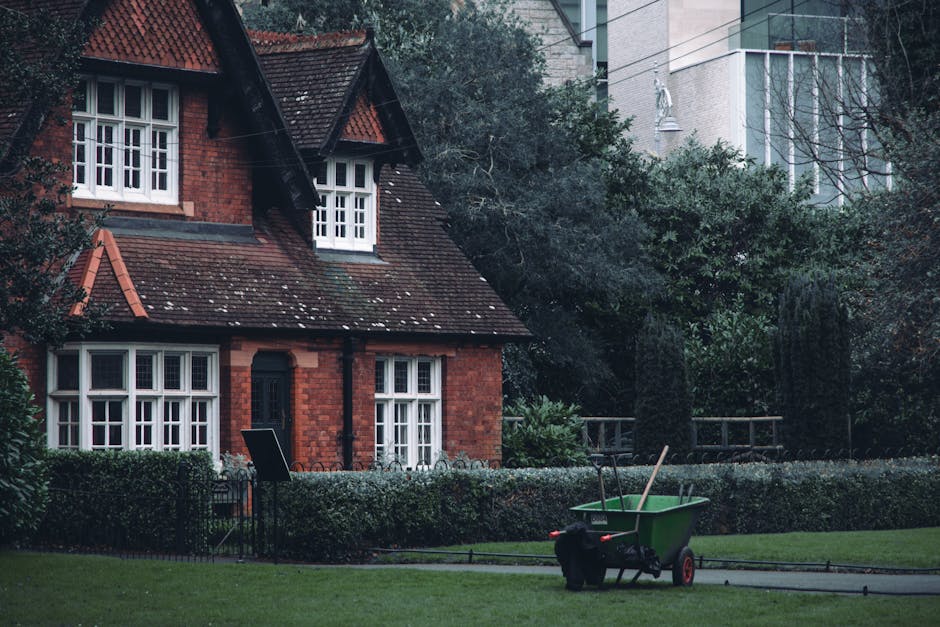
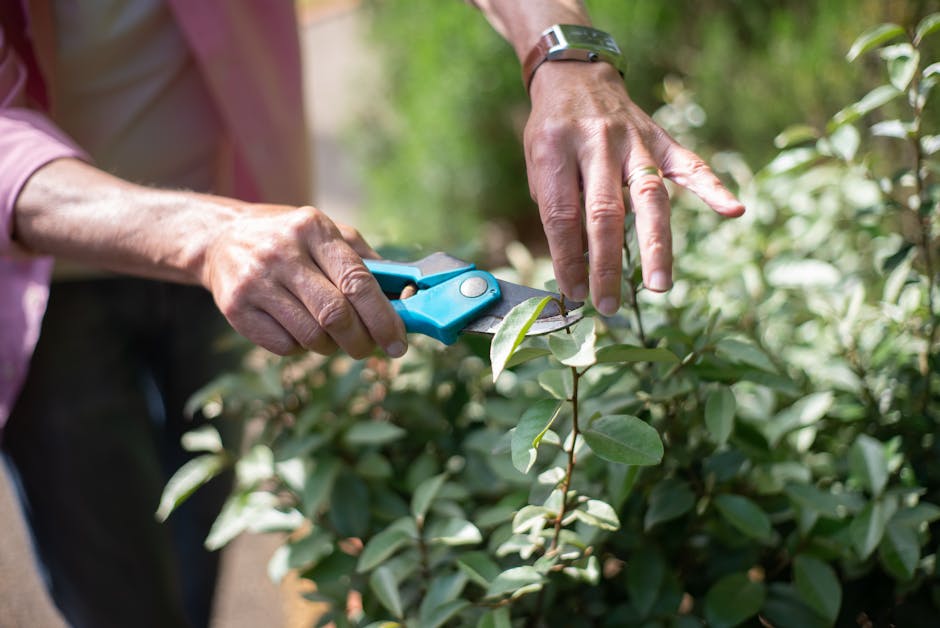
Keston Common garden maintenance guide for busy homeowners
If you love the idea of a tidy, welcoming garden but barely have time to keep on top of it, you are in the right place. This Keston Common garden maintenance guide for busy homeowners is written for real life: school runs, commutes, work calls, weekend plans, and the occasional moment when the grass has simply got on with things without asking permission. The aim here is simple. Help you keep a garden looking cared for, without turning your spare time into a second job.
Keston Common has that lovely semi-rural feel many homeowners want to preserve, but gardens in this part of London still face the usual British mix of weather swings, fast-growing hedges, weeds that appear overnight, and lawns that never quite stay neat for long. The good news? A low-stress routine can make a huge difference. With the right priorities, a few smart tools, and a clear plan, you can keep things under control in surprisingly little time.
This guide covers the essentials: what matters most, how a simple maintenance system works, where busy homeowners tend to get stuck, and when it makes sense to call in help. You will also find practical examples, a comparison table, a checklist, and a few quietly useful expert tips that can save hours later. Not glamorous, perhaps. Very effective, though.
Table of Contents
- Why Keston Common garden maintenance matters
- How a low-maintenance garden routine works
- Key benefits and practical advantages
- Who this is for and when it makes sense
- Step-by-step guidance
- Expert tips for better results
- Common mistakes to avoid
- Tools, resources and recommendations
- Law, compliance, standards and best practice
- Options, methods and comparison table
- Case study or real-world example
- Practical checklist
- Conclusion
- Frequently asked questions
Why Keston Common garden maintenance matters
A well-kept garden is not just about appearance. In practical terms, regular maintenance protects planting schemes, reduces costly problems, and makes the whole outdoor space easier to use. Once weeds take hold or hedges are left too long, the work snowballs. That is usually when busy homeowners feel the squeeze.
In Keston Common, where gardens often mix lawns, borders, hedges, seating areas, and privacy planting, maintenance matters even more because each part affects the others. A neglected hedge can shade a lawn. A lawn that is left too long can invite moss. Unchecked borders can let weeds seed into paving, decking, or gravel. It all connects. Annoyingly, sometimes the smallest thing causes the biggest headache.
There is also a lifestyle side to this. Many homeowners want a garden that feels calm and useful, not another space that creates guilt every time they look out of the kitchen window. A manageable routine turns the garden into something you can enjoy instead of something you keep postponing. That shift is subtle, but it is huge.
If you are already thinking beyond DIY, the wider gardening services and regular garden maintenance options can help you keep standards consistent without needing to micromanage every task yourself.
How Keston Common garden maintenance guide for busy homeowners Works
The easiest way to think about garden maintenance is as a cycle rather than a one-off job. A tidy garden stays tidy because the key tasks are repeated at the right intervals. You do not need to do everything every week. You just need to do the right things before they become bigger problems.
For busy homeowners, the system usually works best in layers:
- Frequent light tasks such as quick weeding, deadheading, and checking for obvious issues.
- Routine seasonal tasks like hedge shaping, lawn care, pruning, and soil improvement.
- Occasional specialist work such as tree surgery, larger clearance, or pressure-based cleaning for hard landscaping.
That layered approach keeps everything more predictable. You are not trying to "sort the garden out" in one exhausting weekend. You are preventing the mess from building up in the first place. To be fair, that is the whole game.
Busy homeowners also tend to get better results when they treat the garden like a set of zones. Lawn, borders, hedges, patio, fence line, and any containers each need different attention. Once you break the space down that way, it becomes much easier to delegate, schedule, or batch tasks.
If your garden includes tricky features, such as privacy planting or awkward corners, it can help to study related topics like hedge plants for privacy, ground cover planting, and budget-friendly ways to reduce upkeep.
Key Benefits and Practical Advantages
For most people, the biggest benefit is obvious: less stress. But the practical advantages go a bit further than that.
- Less weekend catch-up work because the garden never gets too far away from you.
- Better kerb appeal without having to do dramatic, expensive work every season.
- Healthier plants because problems are noticed earlier.
- More usable outdoor space for relaxing, children, pets, or entertaining.
- Lower long-term costs because regular care is usually cheaper than recovery work.
- Better resilience in bad weather when pruning, drainage, and planting are kept sensible.
There is also a psychological benefit that homeowners often underestimate. A clean patio, clipped hedge, and decent-looking lawn can change how the whole home feels. You notice it on a Monday morning, when you open the back door and the space looks ready instead of waiting to be rescued. That matters more than people think.
For wet or windy spells, it can be worth reading practical advice like outsmarting bad weather with smarter garden tips and protecting gardens from strong wind, especially if your garden is fairly exposed.
| Approach | Best for | Main advantage | Main drawback |
|---|---|---|---|
| DIY only | Very small or simple gardens | Low direct spend | Easy to fall behind when life gets busy |
| Mixed DIY and professional support | Busy households with medium gardens | Good balance of control and convenience | Needs a bit of planning |
| Scheduled professional maintenance | Time-poor homeowners, larger plots, or complex gardens | Most reliable and consistent | Higher ongoing cost than doing everything yourself |
Who This Is For and When It Makes Sense
This guide suits homeowners who want an attractive garden but do not have hours to spare every week. That might mean a family juggling after-school chaos, a commuter who leaves early and returns late, or simply someone who would rather spend Saturday morning in Keston Common than wrestling with a hedge trimmer. Fair enough, really.
It also makes sense if you have a garden that has become a bit too ambitious for your current routine. Maybe the borders are fine in spring but unruly by midsummer. Maybe the lawn looks respectable until a stretch of rain pushes it into "slightly sorry for itself" territory. Or maybe your garden just needs consistency, not a full redesign.
Some homeowners only need help with specific tasks: lawn mowing, hedge trimming, patio cleaning, or seasonal tidy-ups. Others need ongoing support across the whole space. If your garden includes trees, worn fencing, or a tired deck, broader services such as lawn mowing, lawn care, hedge trimming, patio cleaning, tree surgery, or fencing may be more useful than piecemeal fixes.
Step-by-Step Guidance
The following approach is designed to keep things realistic. No fantasy schedules. No heroic Sunday marathons.
1. Start with a quick garden audit
Walk around your garden and note the areas that create the most work. Usually, these are the lawn, hedge lines, paving, and any beds near the house. Ask yourself three things: What looks worst first? What causes the most mess? What will become expensive if ignored?
That small audit helps you prioritise. If the lawn is manageable but the hedge is swallowing the path, the hedge wins. If weeds are appearing in paving joints, that may be the problem that makes the whole garden feel untidy.
2. Decide what must be done weekly, monthly, and seasonally
A simple schedule stops the work from spreading out of control. Weekly jobs might be light tidying, watering containers, and checking for obvious weeds. Monthly jobs might include edging, pruning dead growth, checking drainage, and cleaning surfaces. Seasonal work can be more substantial, such as shaping hedges, feeding lawns, refreshing mulch, or managing leaf fall.
It sounds basic, but there is a reason good routines work. They remove decision fatigue. You do not have to keep asking, "What should I do in the garden today?" You already know.
3. Focus on the lawn first if it is a major feature
Lawns are often the biggest visible surface in suburban gardens, so they influence everything else. If you want the garden to look neat quickly, mowing, edging, and basic feeding will usually give the fastest visual payoff. A patchy, overgrown lawn makes the whole space feel less cared for, even if the borders are fine.
If keeping up with mowing is hard, a regular lawn care plan can be a better long-term option than occasional rescue work. In early summer especially, growth can be relentless. You mow, blink, and somehow it is back again.
4. Control weeds before they seed
Weeds are not just untidy; they spread. The simplest rule is to remove them while they are small and before they flower. A few minutes each week is usually far easier than a full-scale clear-out later. For practical techniques, it is worth exploring a short weed-control guide that focuses on simple prevention as well as removal.
5. Keep hedges and shrubs in shape
Overgrown hedging can steal light, create trip hazards, and make a garden feel enclosed in the wrong way. On the other hand, well-maintained hedges provide structure, privacy, and a tidy framework. If your boundaries are a bit scruffy, prioritise those first. A clean edge can transform the whole garden, honestly.
For shaping ideas, the article on hedge trimming techniques is useful if you want to understand what a good finish looks like.
6. Refresh hard landscaping regularly
Patios, paths, and decking accumulate algae, dirt, fallen leaves, and moss. They can make even a decent garden feel tired. A periodic clean restores the sense of space and helps reduce slip risk too. For decking and paving areas, maintenance services such as decking services and patio cleaning can be especially helpful if your time is limited.
7. Add one low-effort improvement at a time
Do not try to redesign everything at once. That is how good intentions become abandoned projects. Instead, make one practical improvement per season: a mulched border, a container cluster, a sturdier fence panel, a climber for a dull wall, or a seating corner that encourages you to use the space more often.
For inspiration, you might look at container gardening ideas, vertical garden approaches, or even garden seating ideas if comfort is part of the plan.
Expert Tips for Better Results
These are the small habits that make a bigger difference than they first appear to. Nothing flashy. Just smart, repeatable practice.
- Mulch borders in spring or autumn to hold moisture and reduce weed pressure. It also gives beds that finished look people notice straight away.
- Use the "five-minute rule": if a task can be done in five minutes, do it now. Snip, sweep, sweep again. Small wins stack up.
- Match plants to the site instead of fighting the conditions. Shade, wind, dry soil, and wet pockets all matter.
- Choose structure over fuss. Evergreen shrubs, ground cover, and well-placed climbers tend to be easier to maintain than lots of delicate one-season planting.
- Keep tools easy to reach. If the shears are buried in the shed, you will probably not use them for a quick job.
- Watch the weather window. A dry hour in the morning can be perfect for light pruning or sweeping, while wet conditions are better for planning than for doing.
A small, slightly nerdy truth: the easiest gardens to maintain are usually the ones designed for maintenance from the beginning. Not "low effort" in the lazy sense. Thoughtful. Efficient. The nice kind of boring, if that makes sense.
If you like garden styles that work hard quietly, you may also enjoy reading about evergreen climbers, zen garden touches, and eco-friendly gardening choices.
Common Mistakes to Avoid
Most maintenance problems start with good intentions and not enough time. That is normal. The trick is spotting the patterns before they repeat.
- Ignoring small jobs until they become big ones. A few weeds today is manageable. A border full of seeding weeds is a different story.
- Over-pruning at the wrong time. Some plants do better with light, regular shaping rather than heavy cuts.
- Letting lawn edges disappear. A rough edge makes the whole garden look less tidy, even if the rest is fine.
- Using the wrong plants for the space. High-maintenance plants in difficult spots are a recipe for frustration.
- Cleaning hard surfaces too rarely. Once algae settles in, the area becomes both dull and slippery.
- Trying to do everything yourself in one weekend. It usually ends in tiredness and half-finished work. Not ideal.
One mistake I see often is homeowners spending energy on decorative touches while the basic structure needs attention. A few new pots will not hide an overgrown hedge or a mossy patio for long. Fix the bones first, then add the nice bits.
Tools, Resources and Recommendations
You do not need a shed full of expensive kit. A sensible small set is often enough for most busy households.
- Reliable shears or secateurs for light pruning and quick tidying.
- Garden gloves that fit properly. Awkward gloves are weirdly off-putting.
- A lightweight lawn mower if the lawn is a core feature.
- A rake and stiff broom for leaves, debris, and hard surfaces.
- A fork or hand trowel for borders and weed removal.
- Storage that is easy to access so short jobs stay short.
For people who want to improve efficiency, the guide to useful gardening tools is a practical place to start. If your garden produces a lot of organic waste, the piece on turning garden waste into better soil is also worth a look.
Some homeowners benefit more from scheduled help than from buying more gear. That is especially true when work, travel, children, or health limits time and energy. If so, a tailored service plan can be more sensible than collecting tools you barely use. No shame in that at all.
Law, Compliance, Standards, or Best Practice
For ordinary garden maintenance, there is usually no complicated compliance burden, but a few best-practice points matter in the UK context.
First, be mindful of neighbourly boundaries. Overhanging branches, hedge encroachment, and leaf fall can become awkward if left unresolved. Good communication solves more problems than people expect. A quick, polite word is often better than waiting until things get tense.
Second, if work involves ladders, cutting tools, heavy lifting, or powered equipment, safety should come first. Good contractors will normally have appropriate procedures, sensible protective equipment, and a clear approach to risk management. If you are comparing services, pages such as insurance and safety and health and safety policy can help reassure you about the basics.
Third, when commissioning work, it is reasonable to expect clear terms, transparent pricing, and straightforward payment arrangements. For that side of things, homeowners often review pricing and quotes, terms and conditions, and payment and security. That is simply good housekeeping, really.
Finally, if you are looking into a provider, it helps to understand who they are and how they work. A quick read of about us can be useful, and if something is not clear, contact the team directly. Better to ask than assume.
Options, Methods, or Comparison Table
Different gardens need different approaches. The best method depends on size, planting style, and how much time you actually have. Here is a simple comparison that may help you decide.
| Method | Time needed | Best use case | What it feels like in real life |
|---|---|---|---|
| Weekly DIY mini-tidy | Low | Small or well-designed gardens | Ten minutes here, fifteen minutes there, and the garden stays calm |
| Fortnightly structured DIY | Moderate | Homeowners with a bit of flexibility | Works well if you like gardening but do not want constant upkeep |
| Seasonal professional visits | Low from your side | People who need help with bigger jobs | Good for hedge cuts, resets, and getting back on top after busy periods |
| Regular maintenance plan | Very low from your side | Busy homeowners with larger or more demanding gardens | The least stressful option when consistency matters most |
If your space is also used by children or pets, the maintenance plan may need to be a little more structured. You may want to explore gardens for children or pet-friendly garden ideas so the space stays practical as well as neat.
Case Study or Real-World Example
Here is a realistic example. A busy homeowner in Keston Common has a medium-sized rear garden with a lawn, two borders, a hedge boundary, and a patio used for summer lunches. Nothing extravagant. Just a typical family garden that had gradually slipped into a "we'll sort it next month" pattern.
The problem was not one dramatic issue. It was a collection of smaller ones: the hedge was uneven, weeds were appearing around paving, the lawn was patchy at the edges, and the patio had lost its clean finish after a wet spring. The family wanted the garden to feel presentable again, but they could not spare whole weekends to do it.
The solution was to break the work into manageable stages. First, the hedge and lawn edges were brought back into line. Then the patio was cleaned and the borders were mulched to reduce weed pressure. After that, a simple maintenance rhythm was put in place: light tidying during the week, lawn attention as needed, and seasonal heavier tasks booked in advance. The garden did not become high-maintenance, ironically. It became easier because it was organised.
A few weeks later, the difference was visible from the back door. The space looked calmer, and the homeowners were using it more often. That is the point, really. A garden should make life better, not just prettier.
Practical Checklist
Use this checklist to keep your garden under control without overthinking it.
- Walk the garden once a week and spot the main problem areas.
- Remove weeds while they are still small.
- Mow the lawn before it becomes shaggy and uneven.
- Trim hedges and shrubs before they block paths or light.
- Sweep patios, decking, and paths regularly.
- Check for moss, algae, and slippery patches after wet weather.
- Deadhead or tidy spent growth where it improves appearance.
- Mulch borders when the soil needs protection.
- Look for pest, disease, or drainage issues early.
- Book seasonal support before the garden gets out of hand.
Expert summary: If your time is tight, maintain structure first, appearance second, and special features third. That order keeps the garden stable and saves effort later. A tidy framework is worth far more than occasional bursts of enthusiasm.
Conclusion
A good Keston Common garden maintenance routine does not need to be complicated. It needs to be realistic. When you focus on the high-impact jobs first, keep the routine light but regular, and avoid letting small problems pile up, the whole garden becomes easier to live with. That is true whether you are managing it yourself or bringing in help for the heavier lifting.
Busy homeowners do best with a garden that is designed for real life: sensible planting, manageable edges, clear paths, tidy surfaces, and a maintenance rhythm that fits the week you actually have, not the one you wish you had. There is no medal for doing everything at once. A garden that looks cared for in February, June, and October is the real win.
If you want your outdoor space to feel calmer, cleaner, and more usable without taking over your weekends, now is a good time to get a proper plan in place.
Get a free quote today and see how much you can save.
And if nothing else, remember this: a little consistent care goes a very long way. Gardens respond to attention, even the fussy ones.
Frequently Asked Questions
How often should a busy homeowner maintain a garden in Keston Common?
Most busy homeowners do well with a light weekly tidy, a more focused fortnightly check, and seasonal work booked in ahead of time. The exact rhythm depends on the size of the garden and how fast things grow, but consistency matters more than long sessions.
What are the most important garden maintenance tasks to prioritise?
Start with lawn care, weeds, hedge trimming, and keeping hard surfaces clean. Those are the tasks that make the biggest visual difference and prevent smaller issues from becoming bigger ones.
Is professional garden maintenance worth it for a small garden?
Yes, if time is limited or the space has a few difficult features. Even small gardens can become time-consuming if they have hedges, paving, or dense borders. A little support can save a lot of weekend effort.
What is the easiest way to make a garden lower maintenance?
Choose plants that suit the site, reduce the amount of bare soil, use mulch, and keep the design simple. Fewer high-fuss plants and clearer structure usually means less work over time.
How do I stop weeds from taking over without spending hours on them?
Deal with weeds early, before they flower or seed. A short, regular check is far more effective than waiting for a big clear-out. Ground cover and mulching can also reduce how many weeds appear.
When should hedges be trimmed?
That depends on the hedge type and how quickly it grows. In general, regular light trimming is easier than rare heavy cuts. If you are unsure, it is safer to trim conservatively and keep an eye on nesting birds and plant health.
What should I do with a lawn that keeps getting patchy?
Check mowing height, watering habits, shade, soil condition, and whether the lawn is being compacted by foot traffic. If the problem keeps coming back, a lawn care plan may be more effective than repeated surface fixes.
Can patio cleaning really make a noticeable difference?
Absolutely. A clean patio can make the whole garden feel brighter and more spacious. It also helps with safety because moss and algae can make surfaces slippery after wet weather.
How do I know whether I need garden maintenance or landscaping?
If the issue is mainly tidying, pruning, mowing, or cleaning, maintenance is the better fit. If you need to change the layout, rebuild features, or rework the structure of the garden, landscaping is more appropriate.
What if I only have time for one garden task this week?
Choose the task that prevents the most future work. Usually that means weeds, lawn edges, or a hedge that is getting out of hand. One useful job is better than ten rushed ones.
Are there safety things I should think about before doing garden work myself?
Yes. Be careful with ladders, sharp tools, heavy lifting, and powered equipment. If a job feels awkward, tall, or risky, it is sensible to get support rather than push through it.
How do I get started if my garden already feels overwhelming?
Begin with a quick walk-through, pick the top three problem areas, and do only those first. Once the worst spots are under control, the rest usually feels more manageable. If that still sounds like too much, speak with a local gardening team and ask about a maintenance plan that fits your schedule.